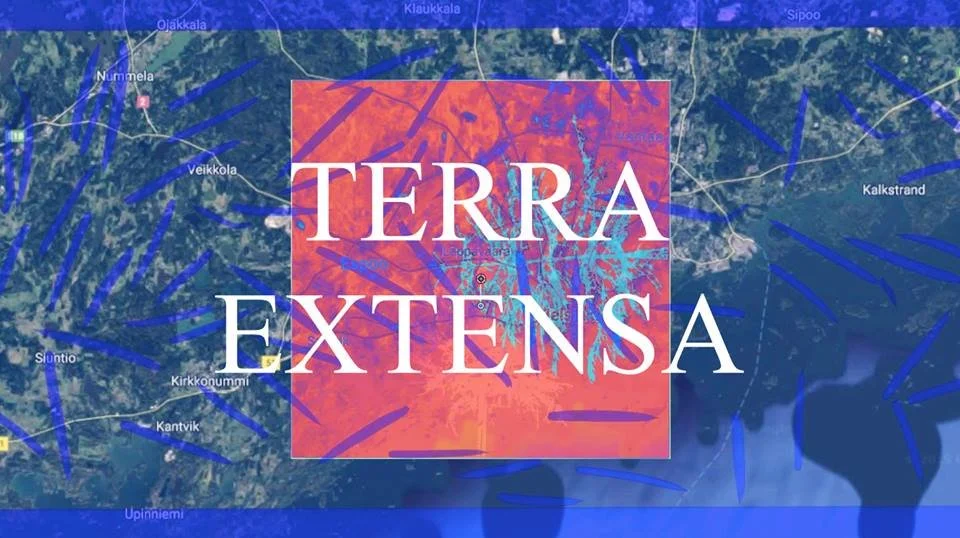
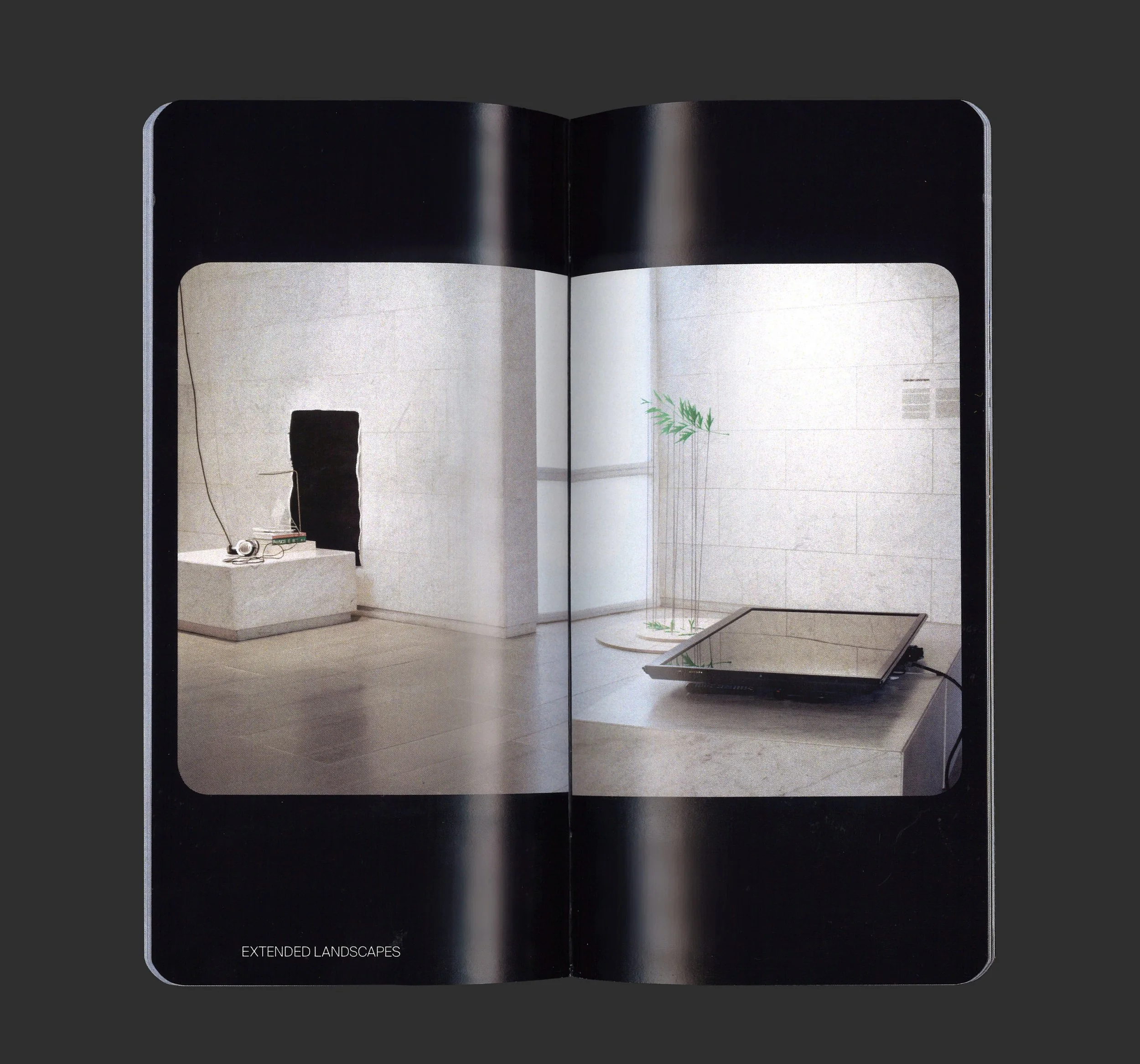
TERRA EXTENSA
2019
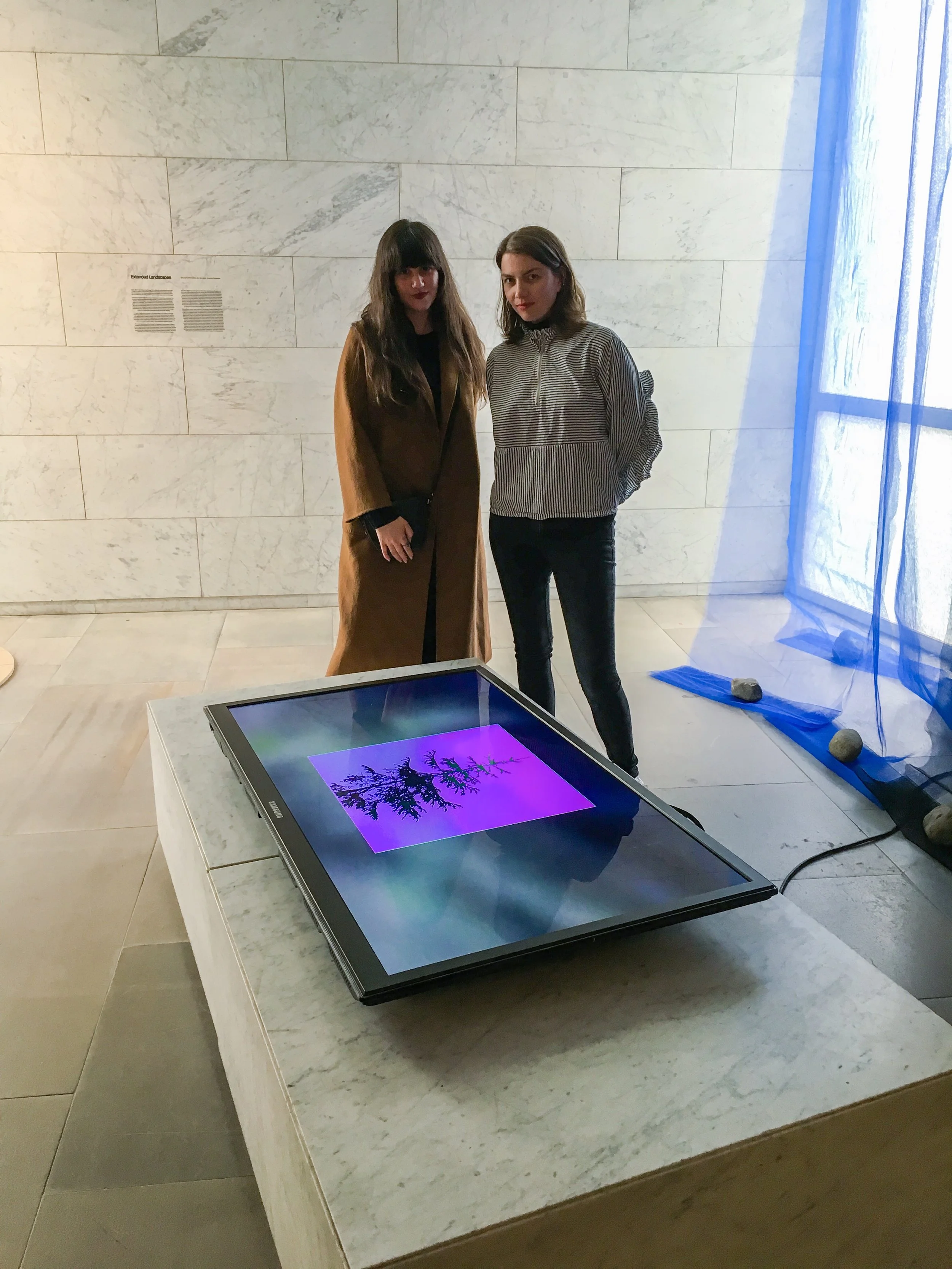
Video installation
Together with Zoé Moineaud
Part of the Extended Landscapes group art project, featuring also Sheung Yiu & Eftimia Diera
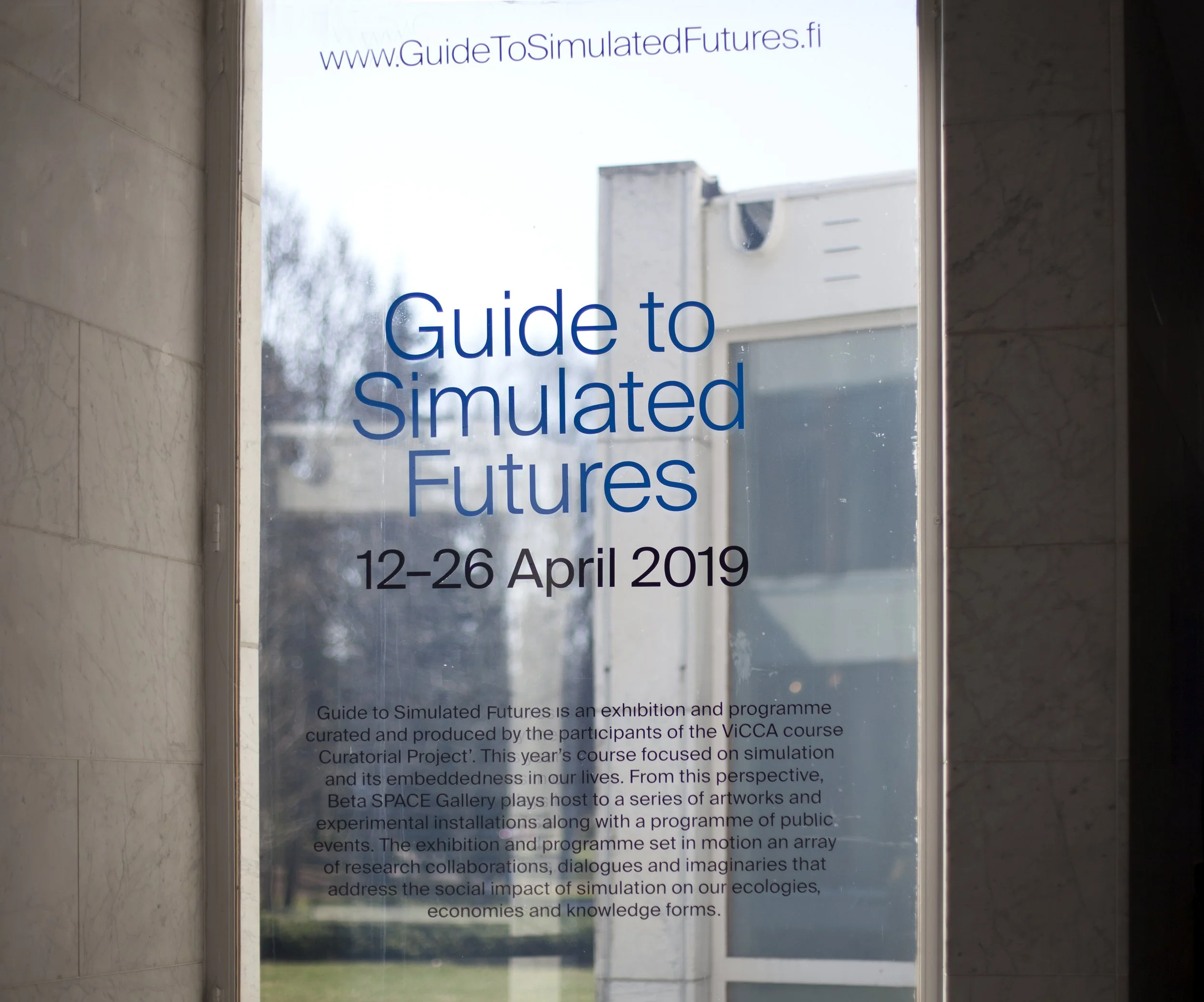
Exhibited at the Simulated Spaces group exhibition, at the Beta SPACE gallery, Espoo, Finland, 2019.
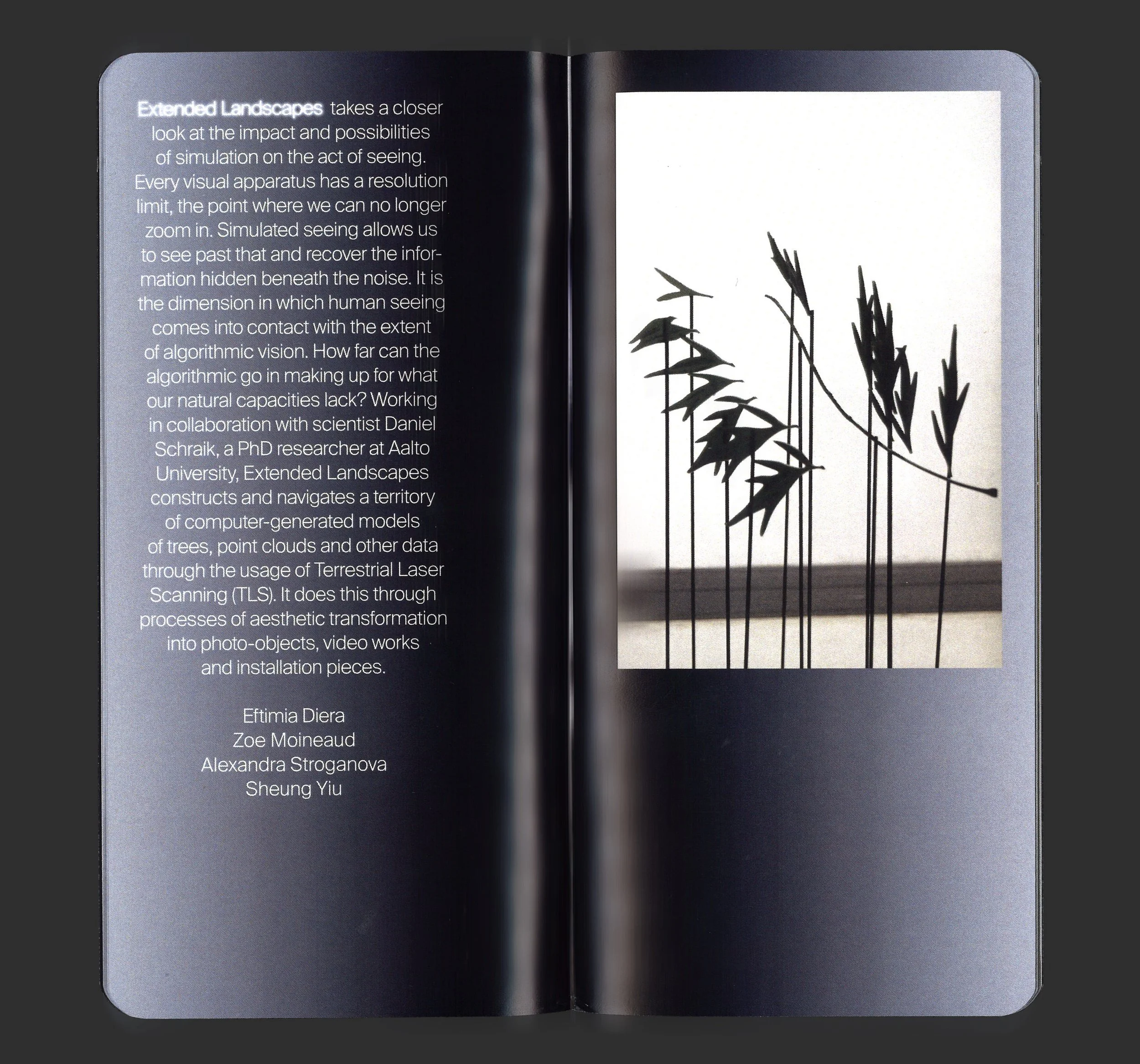
The Extended Landscapes project takes a closer look at the impact and possibilities of simulation on the act of seeing.
Every visual apparatus has a resolution limit, the point where we can no longer zoom in. Simulated seeing allows us to see past that and recover the information hidden beneath the noise. It is the dimension in which human seeing comes into contact with the extent of algorithmic vision. How far can the algorithmic go in making up for what our natural capacities lack?
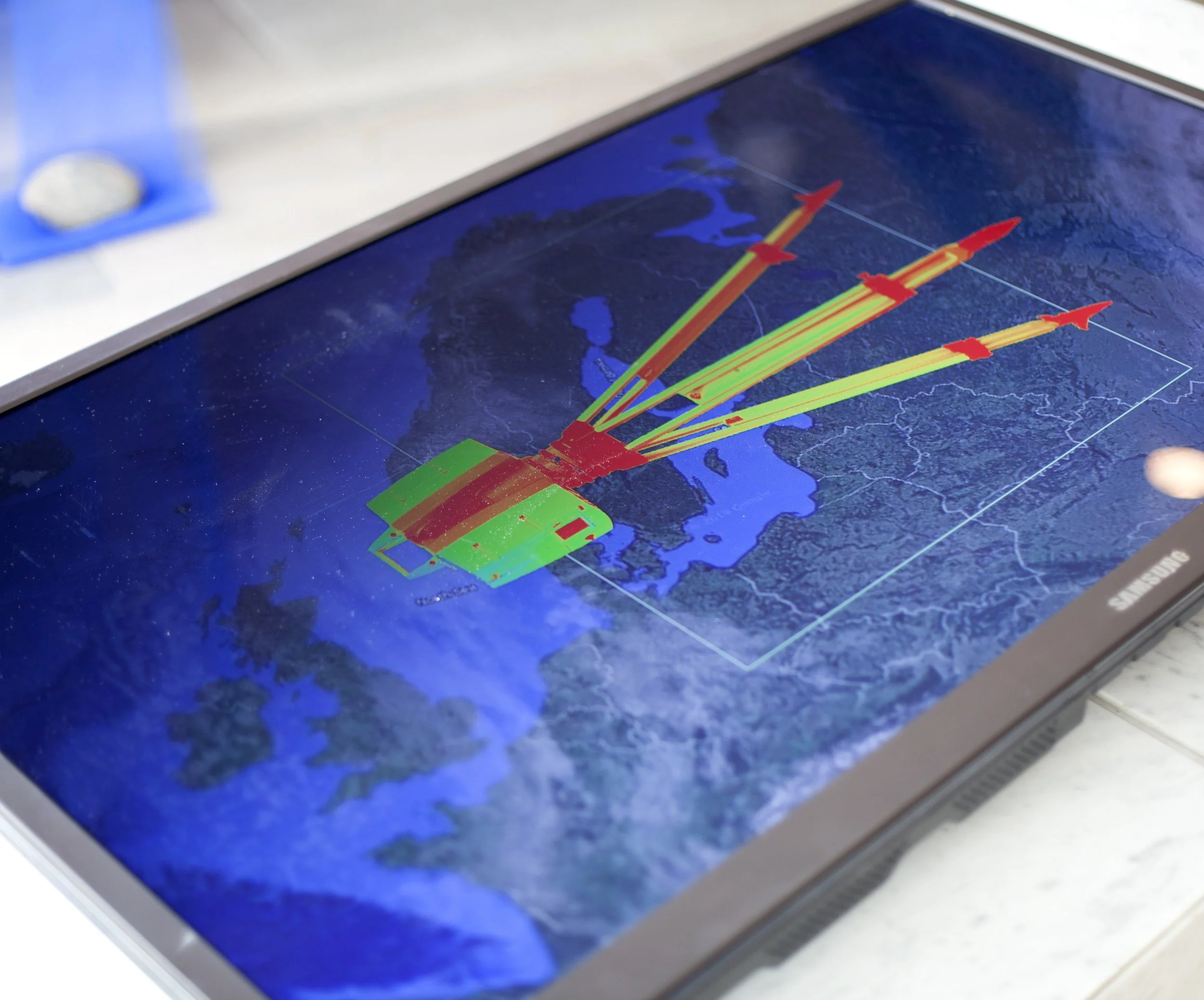
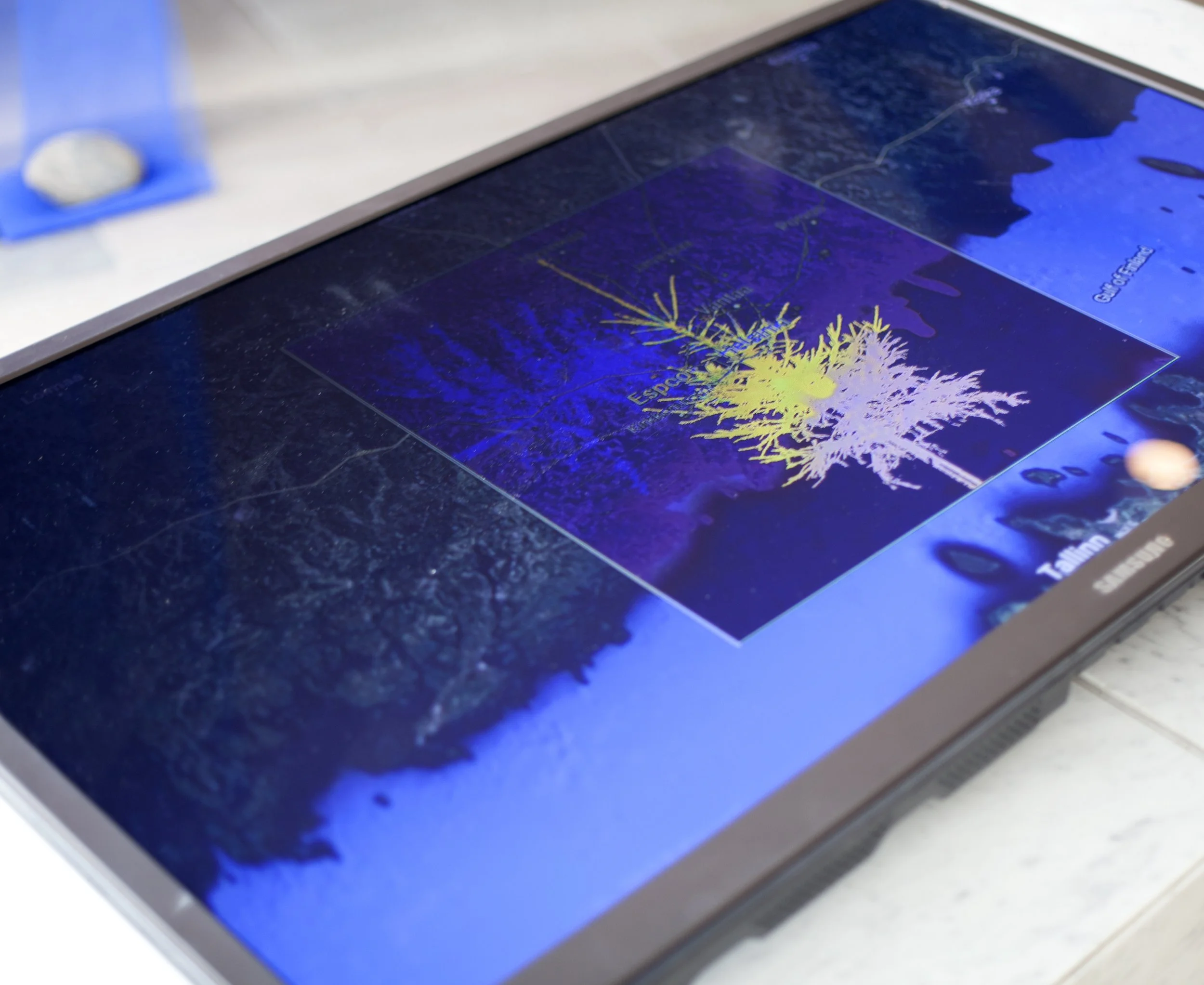
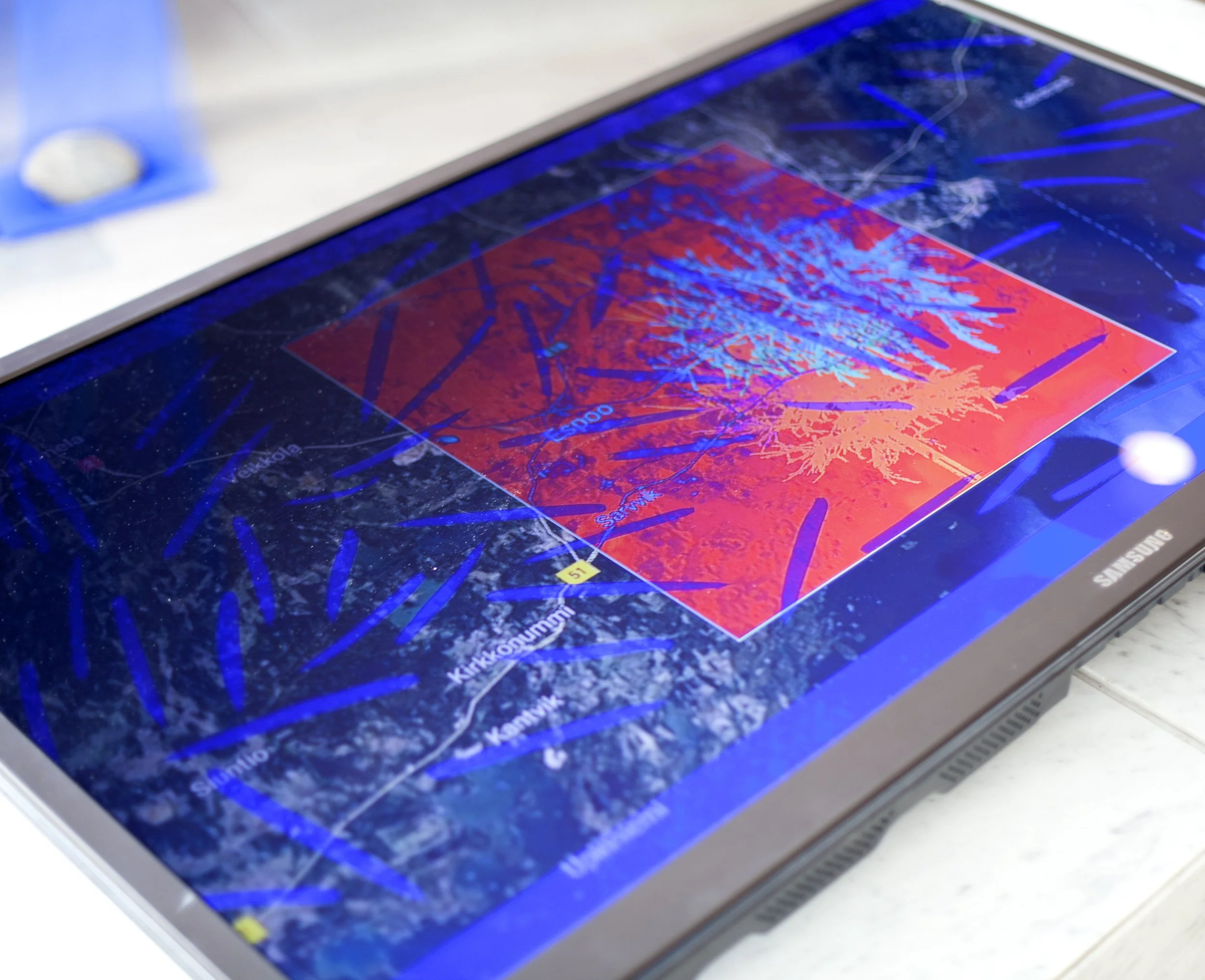
Working in collaboration with scientist Daniel Schraik, a PhD researcher at Aalto University, Extended Landscapes constructs and navigates a territory of computer-generated models of trees, point clouds and other data through the usage of Terrestrial Laser Scanning (TSL). It does this through a process of aesthetic transformation into photo-objects, video works and installation pieces. In the Terra Extensa video, we used the visual data material collected by Schraik and turned it into a conceptual zooming into the pixel, that is, the smallest digital unit. Starting from a very far distance, we encounter the earth as a whole and keep zooming in until we encounter trees, a tree, a pixel, and going further until we reach the planet within that pixel and start the zooming process all over again, infinitely.